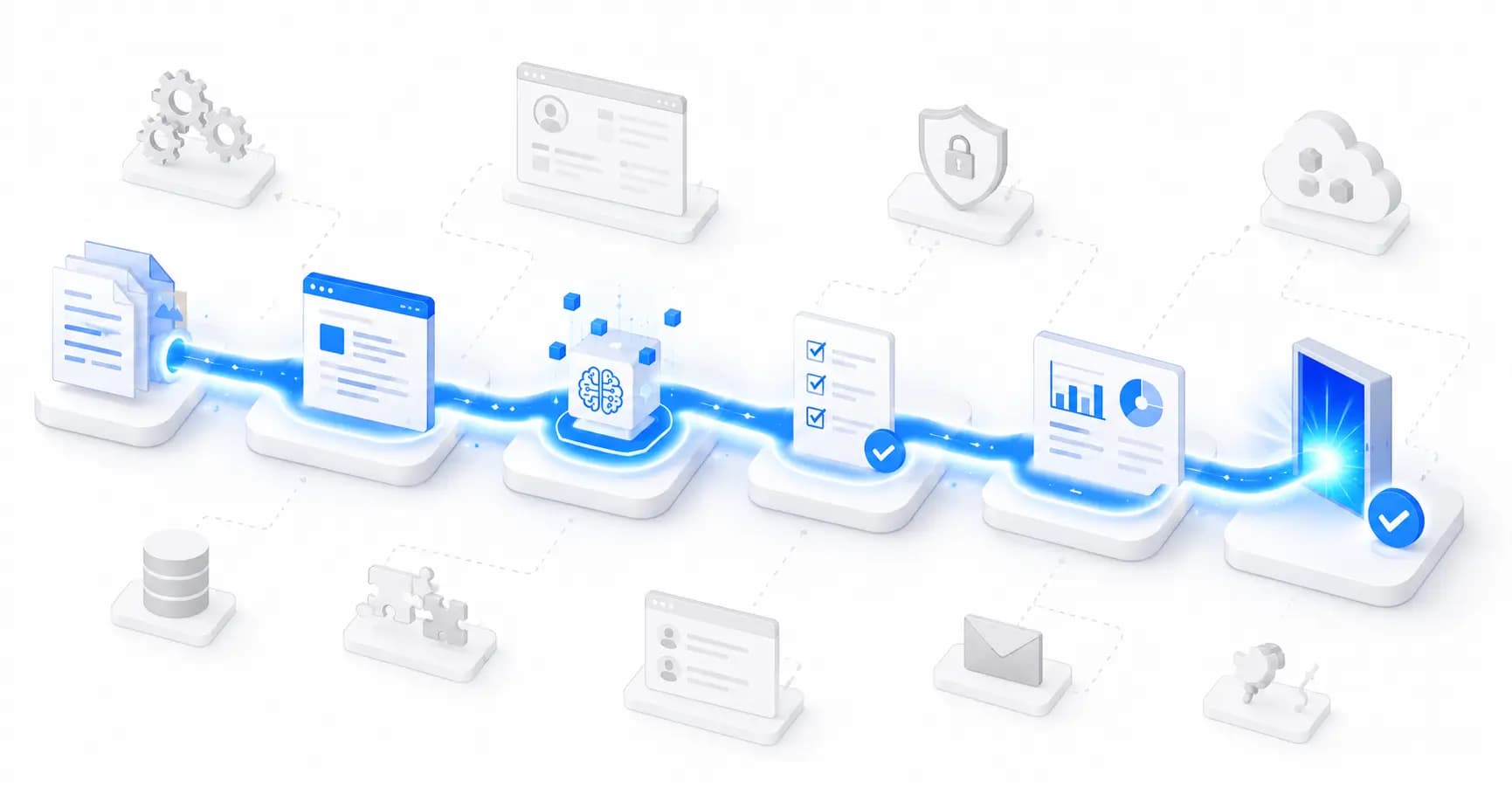
The Post-Sale Engineering Playbook: How to Turn First-Time Buyers into Repeat Customers
Most e-commerce engineering investment goes into the purchase funnel. The retention opportunity, the point after the first order where a one-time buyer either becomes a repeat customer or disappears, is almost always underdeveloped.
Acquiring a customer costs five to seven times more than retaining one. This is not a new insight, but most e-commerce engineering investment goes into the purchase funnel, better checkout, faster page loads, and improved search, and very little into what happens after the first order. The retention opportunity is the point in the customer lifecycle where the brand either demonstrates that it understands and values the customer, or defaults to generic post-purchase communication that treats every buyer identically. The engineering required to do post-sale well is more interesting than most teams expect.
The post-sale data model
Effective post-sale engagement requires a customer data model that your marketing team can actually use. This means a unified customer record that connects every order, every product view, every support interaction, and every email engagement to a single identity, not one record in Shopify, one in your ESP, and one in your returns management system. Customer identity resolution (matching the guest checkout buyer to the logged-in account holder, or matching multiple email addresses to the same person) is an engineering problem that most teams solve with heuristics: same email address, same shipping address, and same credit card last four. None of these are perfect, but implemented together they correctly identify the same person across sessions with high accuracy.
Behavioural segmentation that is actually useful
RFM segmentation, Recency, Frequency, Monetary value, is the baseline for any retention programme worth building. It classifies every customer into segments based on when they last bought (Recency), how often they buy (Frequency), and how much they spend (Monetary). The engineering implementation is a daily batch job that recomputes RFM scores for every customer and updates their segment assignments. The segments that matter most for retention investment: high-frequency, high-value customers (protect at all costs); high-value, declining-recency customers (at risk of churning, intervention required); and first-time buyers who bought once and have not returned (the largest retention opportunity in most businesses).

Triggered communications: the architecture that makes it work
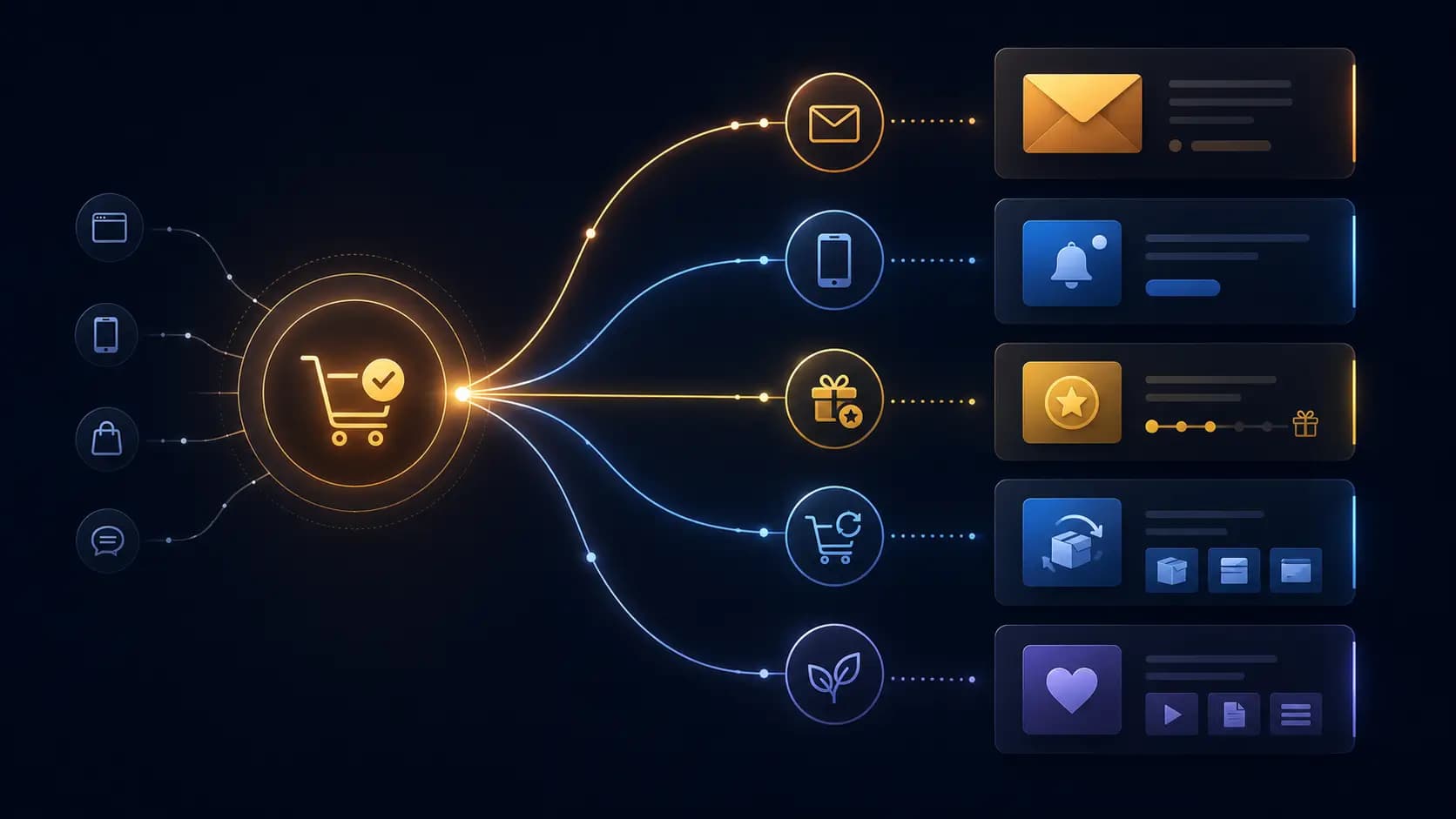
The distinction between a generic post-purchase email sequence and a triggered communication system is the difference between sending the same email to everyone who bought in the last 30 days and sending a specific email to a specific customer based on a specific event in their lifecycle. Events that should trigger post-sale communications include: first purchase (welcome and onboarding), second purchase (segment upgrade, loyalty programme introduction), product replenishment window (for consumable products: calculate average replenishment time by product category and trigger a reminder seven days before that window), win-back (for customers whose recency score has declined below a threshold), and referral trigger (for high-satisfaction customers based on review or NPS data).
The infrastructure for this is an event stream, every customer lifecycle event published to a queue, consumed by a communication orchestration service that evaluates eligibility rules, selects the appropriate message, and dispatches via your ESP. The key architectural decision is idempotency: ensure that a customer who qualifies for a trigger can only receive that communication once per qualifying event. Without idempotency enforcement, engineering bugs produce duplicate sends that train customers to ignore your communications.

The loyalty programme engineering problem
Loyalty programmes are deceptively complex to engineer correctly. The surface area is simple, points for purchases, tiers based on cumulative spend, and rewards that can be redeemed. The engineering complexity is in the edge cases: what happens to points when an order is refunded? How are points calculated on orders with mixed product types (taxable vs non-taxable, full-price vs discounted)? How do tier downgrades work at the annual anniversary date? How do you handle point expiry without alienating customers who are close to a redemption threshold? Each of these is a product decision that produces an engineering specification, and getting them wrong produces customer service tickets at scale. Define the edge cases before you build, not after your first tier downgrade batch job runs.

Written by

Founder & CEO
Gaurang Ghinaiya is the Founder & CEO of Nexios Technologies. He is passionate about building innovative software solutions that drive business growth. With years of experience in technology leadership, he guides teams toward excellence.