The AI Feature Your E-commerce Platform Actually Needs (It Is Not a Chatbot)
AI chatbots are the most visible e-commerce AI implementation and usually the least valuable. The highest-ROI AI applications in e-commerce are invisible to the customer and they run in the background and make every other part of the operation more efficient.

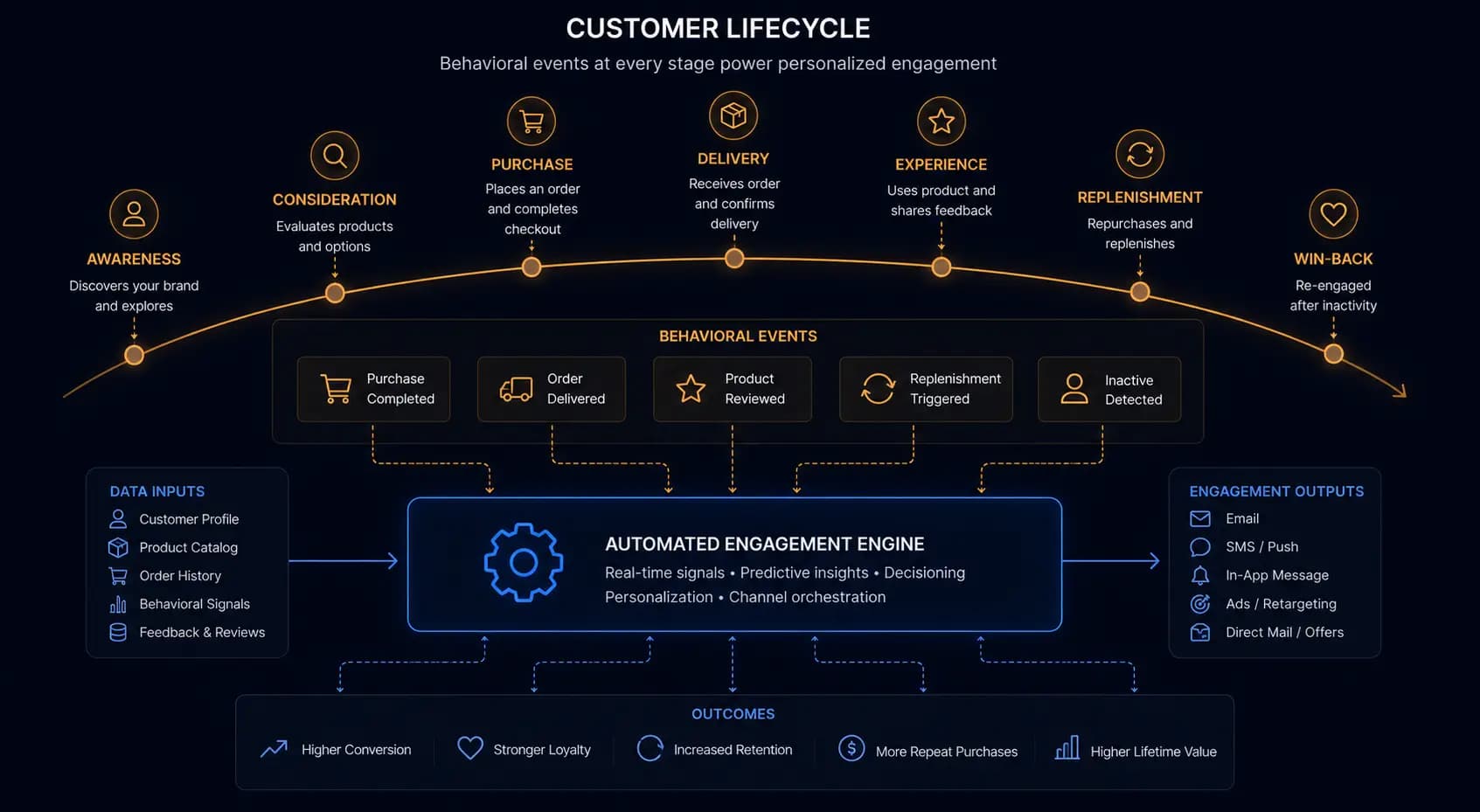
When e-commerce brands talk about adding AI, the conversation usually starts with a chatbot. The chatbot is visible, demonstrable in a product demo, and easy to explain to stakeholders. It is also, in most implementations, among the least impactful AI investments a brand can make. The highest-ROI AI applications in e-commerce are invisible to the customer and they run in the back end and make pricing, inventory, search, and operations measurably more efficient. Here is where the return is actually concentrated.
Demand forecasting: the highest-ROI application most brands under invest in
Inventory mis-management is one of the most expensive problems in e-commerce operations. Overstocking ties up working capital and drives down margins through markdowns. Stockouts lose revenue and customers to competitors. The traditional approach is reorder points based on historical averages and gut feel and performs poorly when demand is seasonal, promotional, or influenced by external signals that historical averages do not capture.
ML-based demand forecasting models trained on historical sales data, seasonal patterns, promotional calendars, and external signals (weather for seasonal goods, social media volume for trend-sensitive categories) can reduce stockout rates by 15–30% and markdown rates by a similar margin in well-implemented deployments. The engineering investment is in the data pipeline — collecting and normalising the input signals — more than in the model itself. A well-tuned gradient boosting model (XGBoost, LightGBM) on clean data consistently outperforms deep learning approaches for structured tabular demand data, and is far easier to interpret and maintain.

Visual search and image-based product matching
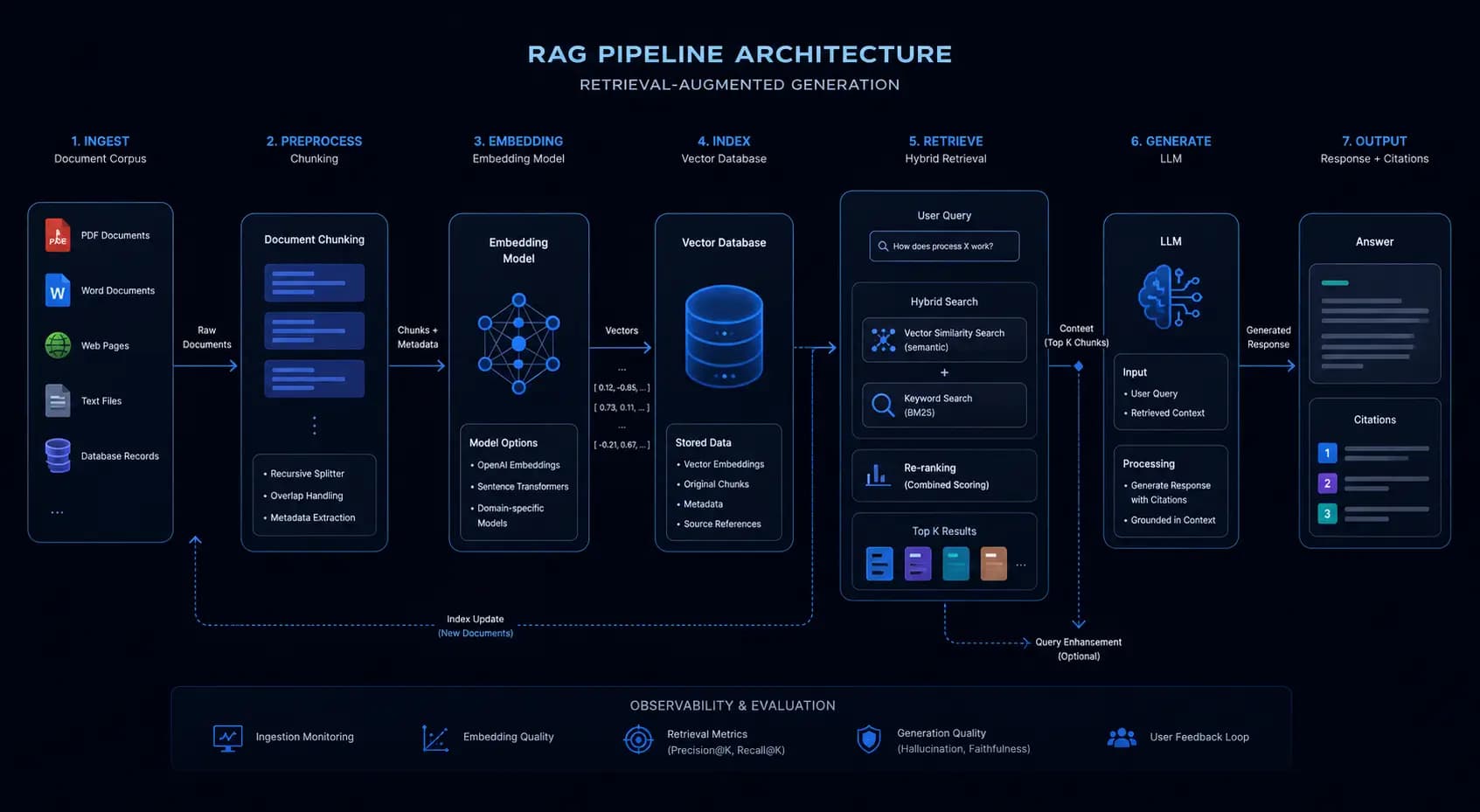
Visual search — the ability to upload a photo and find matching or similar products — has gone from a luxury feature to a table-stakes expectation in fashion and home goods e-commerce. The engineering implementation uses a CLIP-based embedding model (OpenAI's CLIP or its open-source equivalents) to generate vector representations of product images, stored in a vector database for similarity search. When a customer uploads an image, the same model generates a vector for the uploaded image, and the nearest neighbours in the product embedding space are returned as results.
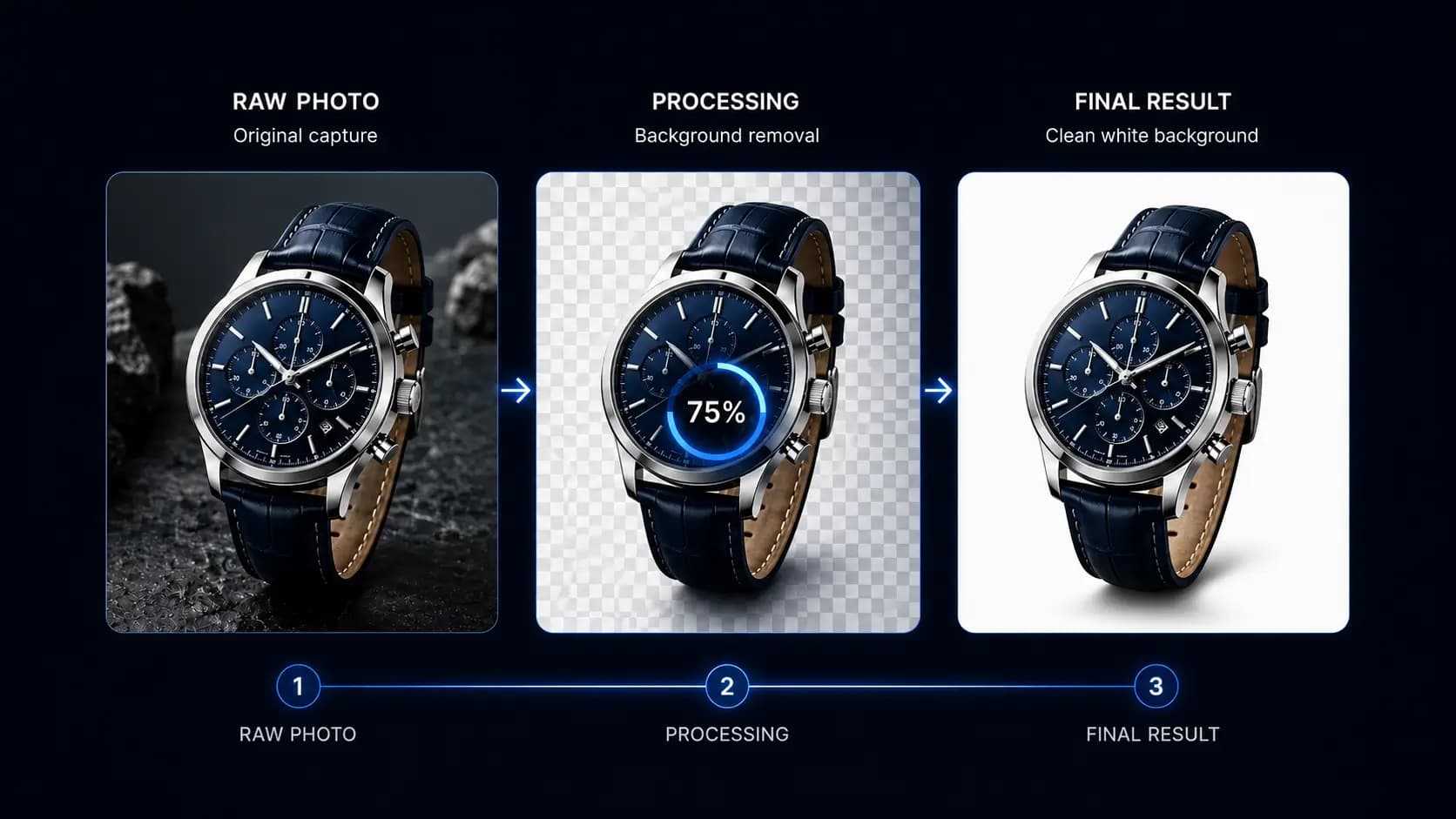
The implementation challenge is data quality: product images shot against inconsistent backgrounds, with varying lighting and angles, produce embeddings that cluster incorrectly. A preprocessing pipeline that standardises image backgrounds, normalises image size, and filters low-quality images before embedding generation is worth building before the model, not after you have embedded 500,000 products with inconsistent quality and are debugging why the similarity results are wrong.

Dynamic pricing: where the ROI is real and the risk is also real
Dynamic pricing — adjusting product prices in real time based on demand signals, competitor pricing, inventory levels, and margin targets — can meaningfully improve gross margin on commodity and near-commodity products where price elasticity is measurable. It is not appropriate for all product categories or all brand positions. For a luxury brand where price consistency is part of the perceived value, dynamic pricing is brand-damaging. For a marketplace seller competing on commodity goods where competitors are updating prices hourly, it is a competitive necessity.
The engineering for dynamic pricing is less complex than the product decisions. The hard questions are: what are the floor and ceiling prices for each SKU? Which SKUs are eligible for dynamic pricing and which are excluded? What is the update frequency — hourly repricing is appropriate for some categories and jarring for others? Who has authority to override the model? How do you communicate price changes to customers who have added items to cart? Answer these questions before you build the repricing engine, not after your first customer complains that the price they saw yesterday is not the price they see today.

The chat bot caveat
AI chat bots are not useless — they reduce support ticket volume for routine queries (order status, return policy, product specifications) and extend support availability beyond staffed hours. The specific deployment pattern that works is a RAG chat bot connected to your product catalogue and order data, with a clear handoff to a human agent for complex queries. The deployment pattern that does not work is a general-purpose LLM presented as a product expert that has not actually been given access to your product data — it will hallucinate specifications, pricing, and availability, and the resulting customer experience is worse than no chat bot at all.
Written by

Founder & CEO
Gaurang Ghinaiya is the Founder & CEO of Nexios Technologies. He is passionate about building innovative software solutions that drive business growth. With years of experience in technology leadership, he guides teams toward excellence.