E-commerce Returns Automation: RMA Workflows That Scale Past Manual
Returns are 20-30% of apparel orders and most operations handle them in spreadsheets. RMA workflow engineering, fraud checks, and the data loop back to buying.
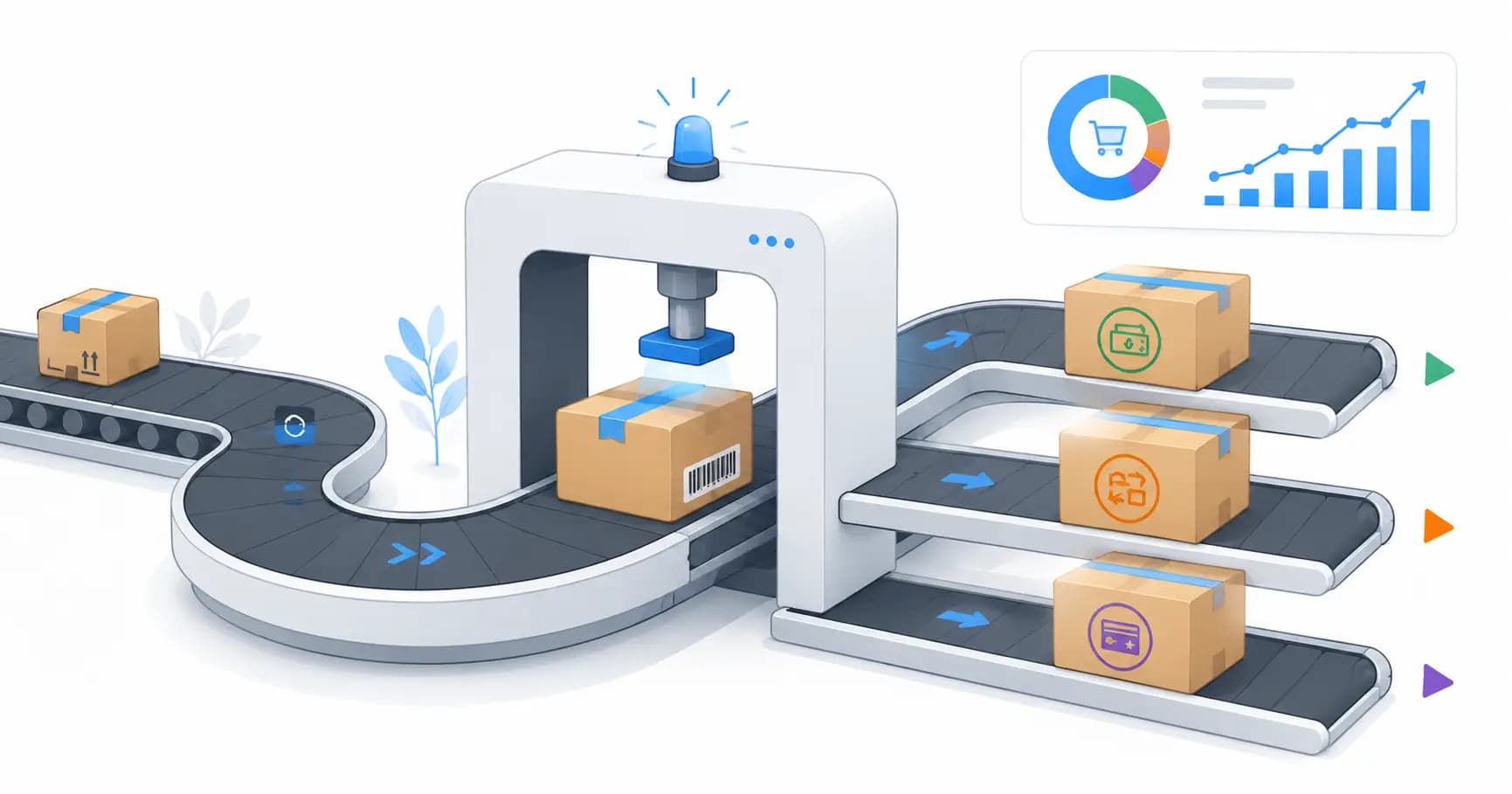
Returns run 20-30% of orders in apparel and 8-10% across e-commerce generally, and most operations handle them with a shared inbox and a spreadsheet. That works until volume makes it the bottleneck: refunds take a week, support drowns in "where is my refund" tickets, and finance discovers return fraud at year-end. This post covers the engineering of returns automation: the RMA state machine, the fraud checks, and the data loop most teams never close.
The RMA state machine
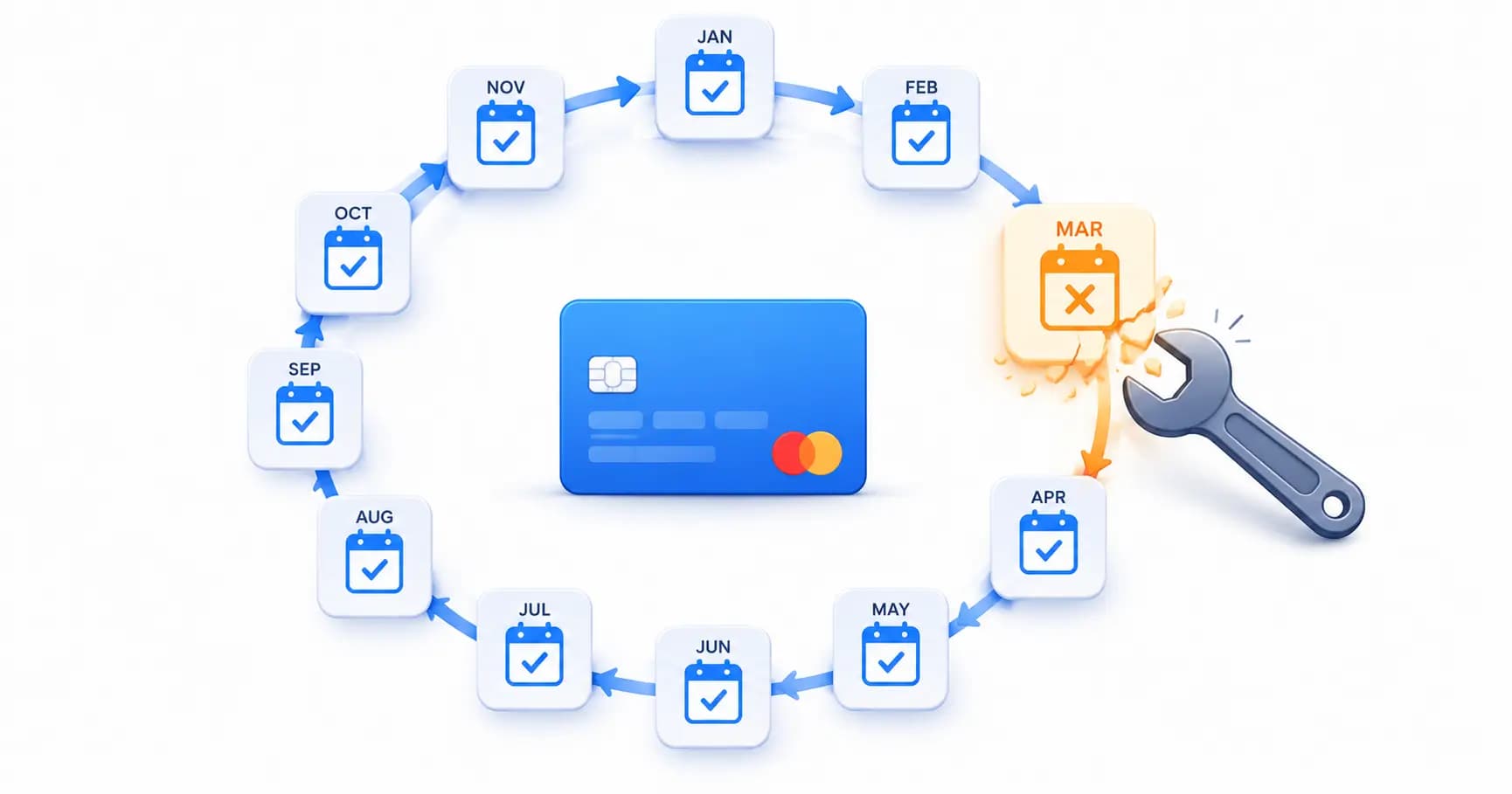
Like subscription billing, returns are a lifecycle to model explicitly: requested, approved (or denied), label issued, in transit, received, inspected, resolved (refund, exchange, store credit), and closed. Two design decisions shape everything downstream:
- Refund timing. Refund-on-receipt is safe and slow; refund-on-carrier-scan (the label entered the network) is the customer-experience winner and the fraud surface. Production systems make this a per-customer policy decision, not a global constant: instant refunds for high-trust customers, inspection-first for risk flags.
- Resolution economics. For low-value items, the label plus reverse logistics plus inspection often exceeds the item's recoverable value. "Refund without return" (keep it) is a legitimate automated outcome below a threshold, gated by the same trust scoring.
The policy engine replaces the inbox
Automation means the request is decided by rules, instantly, and support touches exceptions only:
- Eligibility: return window by category, final-sale flags, condition requirements
- Resolution options offered: exchange-first UX (which saves the revenue) before refund, store credit with a bonus as an alternative
- Label generation with the right carrier and service level by weight, value, and geography
- Instant vs inspection-gated refund per the trust model below
The self-service portal matters commercially, not just operationally: exchanges offered at the moment of return intent convert 20-40% of would-be refunds into retained revenue, and every automated RMA is a support ticket that never existed.
Fraud signals worth engineering
Return fraud (wardrobing, empty-box claims, serial "item not received," swapped counterfeits) concentrates in a small customer segment. The signal set that catches most of it:
- Per-customer return history: rate, value, and category patterns vs cohort norms
- Claim patterns: repeated "arrived damaged" or "not received" claims across orders
- Weight verification: label scan weight vs expected item weight catches empty-box returns before refund
- Serial and tag checks at inspection: the returned unit is the shipped unit (serials, security tags, RFID where the catalog justifies it)
Score, do not block: high-risk flags route to inspection-first handling and manual review, while the 95% of honest customers keep instant resolutions. Blanket tightening punishes everyone for the 3%.
Close the loop: returns are product data
The most valuable output of returns automation is the reason data nobody reads. Structured reason codes (with size/fit sub-reasons in apparel) joined to the catalog answer real money questions: which SKUs have return rates that erase their margin, which "runs small" products need a size-guide fix, which supplier's batch spiked damage claims. Route a weekly returns-by-SKU report to buying and product teams, and treat a return-rate spike like an error-rate spike: an alert, not a quarterly finding. The same closed-loop thinking applies to marketplace operations, where excessive return rates threaten account health, as covered in our Amazon seller engineering post.
Build vs buy
Loop, Narvar, AfterShip and similar returns platforms give you the portal, labels, and basic rules quickly; they fit stores with standard flows. Custom returns engineering earns its cost where policy is your differentiator (trust-tiered instant refunds), where operations are unusual (multi-warehouse dispositioning, refurbishment pipelines, cross-border reverse logistics), or where returns data must integrate deeply with owned systems. It is the same boundary logic as the rest of the stack: buy the commodity flow, build where the workflow is the advantage, the calculus from our build vs buy guide.
Returns are the least glamorous system in commerce and one of the fastest paybacks in it: saved support hours, recovered exchange revenue, caught fraud, and product fixes that lower the return rate itself. If your operation is still running returns through an inbox, our e-commerce engineering team can scope the automation, from policy engine to the data loop.
Written by

Founder & CEO
Gaurang Ghinaiya is the Founder & CEO of Nexios Technologies. He is passionate about building innovative software solutions that drive business growth. With years of experience in technology leadership, he guides teams toward excellence.