Amazon and eBay Sellers Do Not Own Their Customers
When you sell on Amazon, you're renting access to Amazon's customers. The platform owns the customer relationship. Here's what customer ownership really means and how to build it.
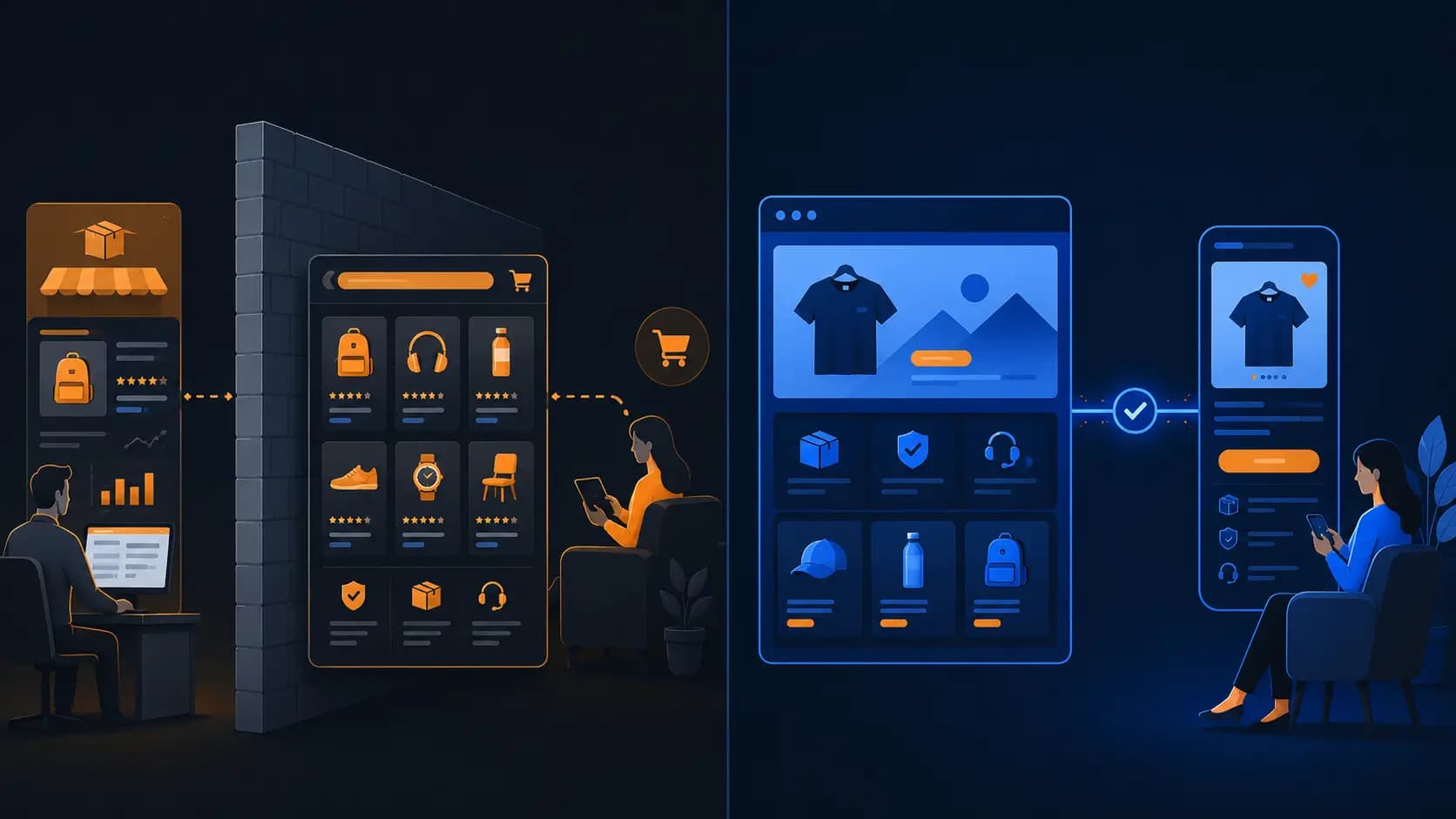
When you sell on Amazon, you rent access to Amazon's customers. You get the transaction, but Amazon keeps the relationship. The buyer's email address is hidden behind Amazon's messaging system. Their purchase history lives in Amazon's database. Their preferences inform Amazon's recommendations, not yours. If Amazon changes its algorithm, raises its fees, or decides to enter your product category with an in-house brand, you have no direct channel to the customers you have been serving for years. The platform owns the relationship. You own the inventory risk and the fulfillment cost.
What customer ownership actually requires
Owning your customer relationship means owning three things: their contact information, their purchase history, and their channel preferences. Contact information means an email address or phone number they gave you directly, not mediated by a platform. Purchase history means a record in your own system, not in Amazon Seller Central where you can only export it as a CSV and lose it the moment your seller account changes status. Channel preferences means knowing whether this customer responds to email, SMS, push notifications, or a WhatsApp message.
These three data points are the foundation of retention marketing, loyalty programs, and the lifetime value calculations that determine whether your business is actually building equity or just executing transactions. A seller with 50,000 Amazon orders and no email list has generated revenue but has not built a customer asset. A seller with 5,000 orders and 3,000 direct email subscribers with purchase history attached has built something with compounding value.
The math that makes platform dependency dangerous
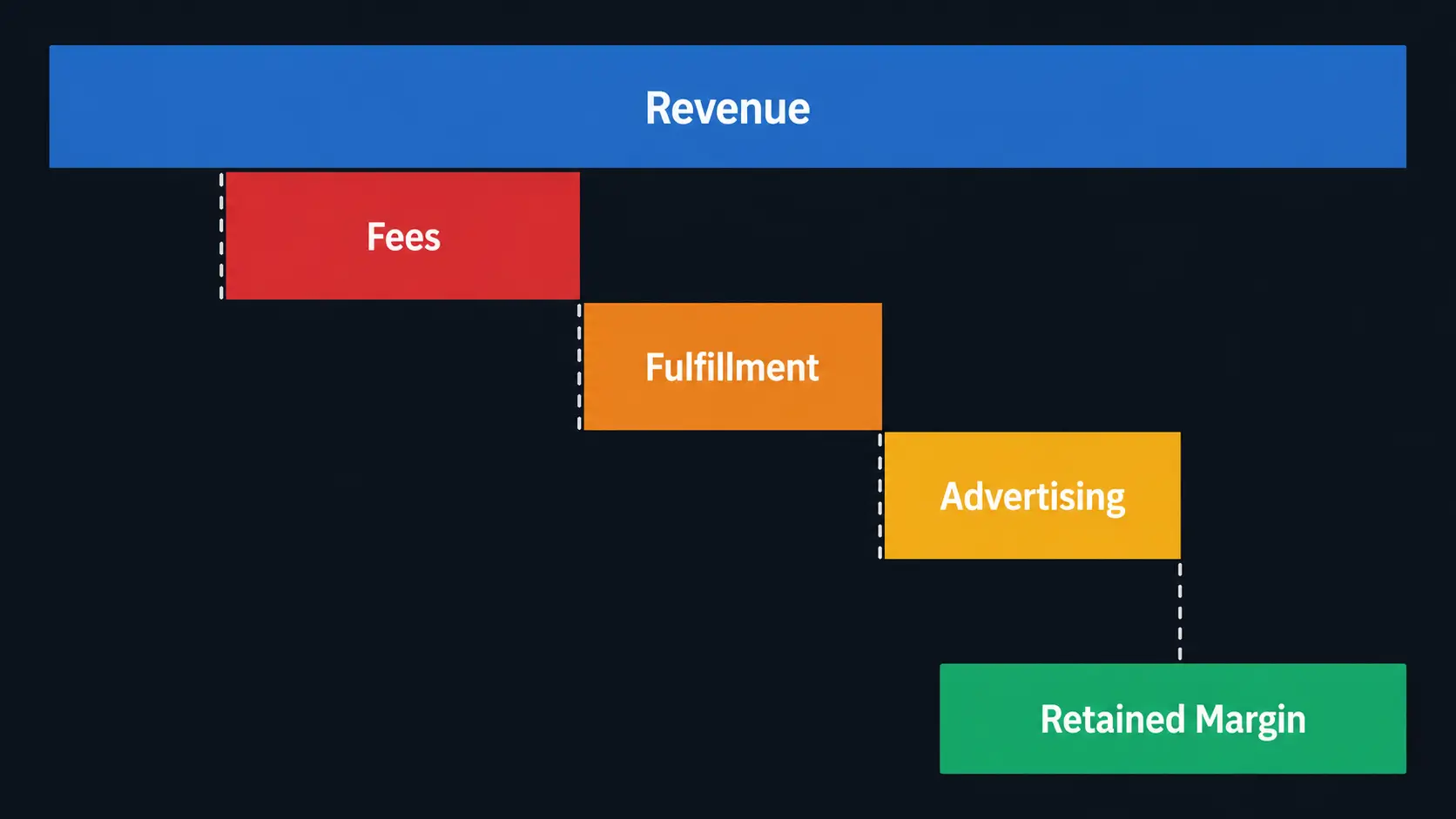
Amazon's selling fees average 15% of each transaction, plus FBA fulfillment costs, plus advertising spend to maintain visibility in an increasingly pay-to-play marketplace. For most categories, the total platform cost runs between 30 to 45% of revenue before you have paid for the product itself. That is the cost of renting customers rather than owning them.
Compare that to a direct channel where your primary customer acquisition cost is the email you send to a list you own. The marginal cost of an email to an existing customer approaches zero. Retention campaigns to owned customer segments consistently produce return on ad spend that marketplace advertising cannot match, because you are reaching people who have already bought from you, not cold audiences you are paying to convert for the first time.
The operational shift to direct commerce
The playbook for building customer ownership alongside marketplace sales is not complicated, but it requires intentional infrastructure. Every Amazon sale is an opportunity to convert a marketplace buyer into a direct customer, through product inserts with registration incentives, post-purchase email sequences run through your own ESP, and a branded DTC channel that offers something the marketplace cannot: personalization, exclusive products, or the kind of customer relationship that a two-day shipping badge cannot replicate.
This requires a proper e-commerce stack: a direct storefront, an email marketing platform connected to your order management system, and customer segmentation data that tells you which buyers are high-LTV, which are one-and-done, and which are at churn risk. The technical implementation is straightforward. The challenge is cultural; sellers who have optimized entirely for marketplace metrics (Best Seller Rank, review count, conversion rate on listing) need to build a parallel muscle for direct relationship metrics (email capture rate, repeat purchase rate, LTV by acquisition channel).
What compliant customer capture looks like
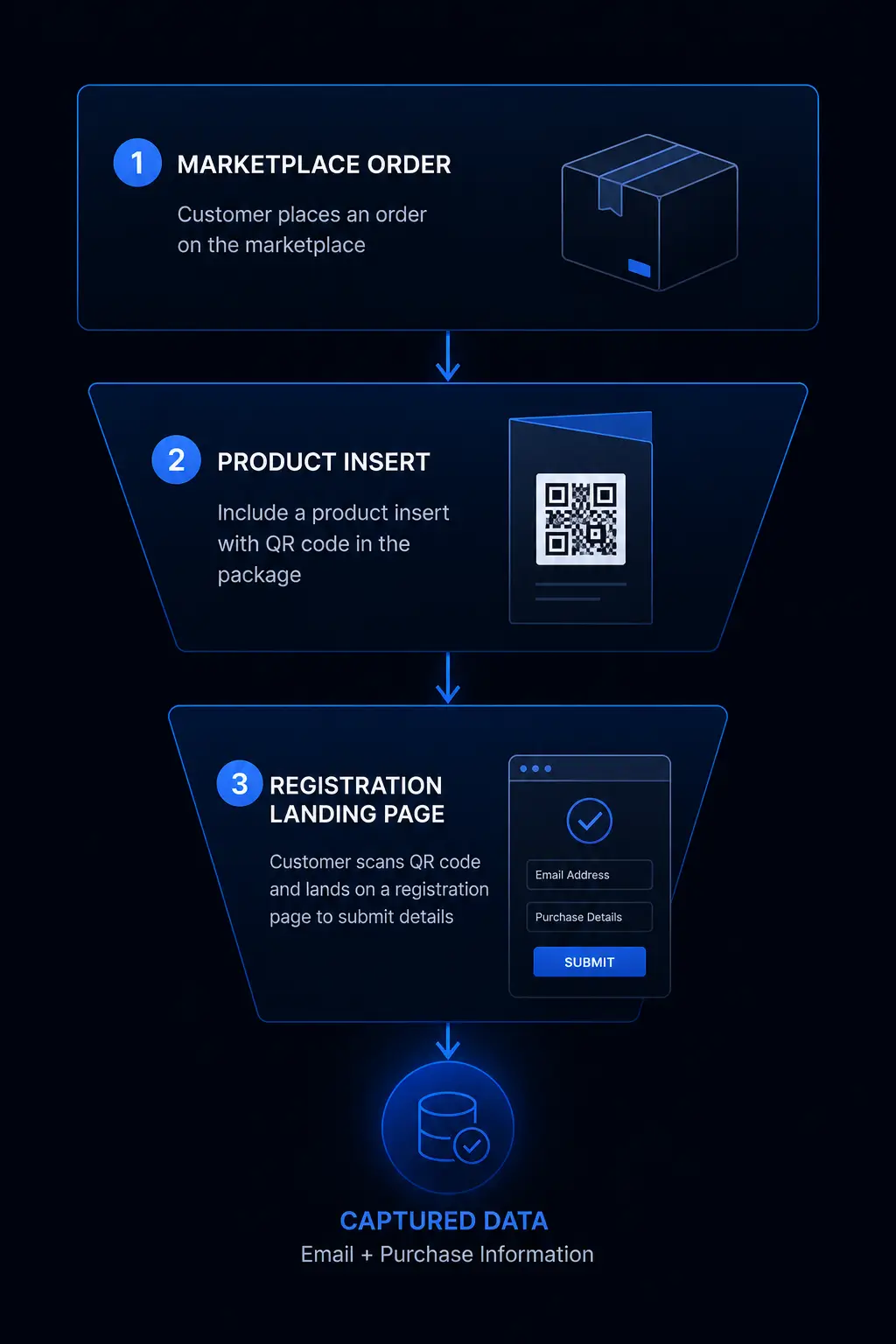
Amazon's terms of service prohibit direct solicitation of customers to move them off-platform. The compliant approach works through the physical product experience rather than digital communication. A product insert offering an extended warranty, setup guide, or exclusive accessory guide, accessed via a URL or QR code, captures first-party data from customers who choose to opt in. The incentive does the work. The insert is not asking the customer to leave Amazon; it is offering something additional that Amazon cannot provide.
The registration landing page is where the customer relationship begins. Name, email, and product purchase date are the minimum. An optional product satisfaction survey at this stage generates segmentation data that most brands pay thousands of dollars in post-purchase survey tools to collect later. Build it into the onboarding flow from day one.
Treating Amazon as acquisition, not destination
The businesses that scale on Amazon and then plateau do so because they have optimized for a metric Amazon controls, Best Seller Rank, rather than a metric they control: customer lifetime value. The ones that break through that ceiling treat Amazon as a customer acquisition channel, not as the destination. They sell on Amazon to find customers. They sell through their own channel to keep them.
That distinction is the difference between a business that is permanently dependent on a platform's goodwill and one that has built durable, owned relationships with the people who buy from it. Platform dependency is not a risk you manage by diversifying across platforms; it is a risk you eliminate by building a direct channel that operates independently of any platform's continued interest in your success.
Written by

Founder & CEO
Gaurang Ghinaiya is the Founder & CEO of Nexios Technologies. He is passionate about building innovative software solutions that drive business growth. With years of experience in technology leadership, he guides teams toward excellence.