Headless Commerce Architecture: When Decoupling Actually Pays Off
Headless commerce is an architecture, not an upgrade. What decoupling the frontend actually buys, what it costs in engineering, and who should not do it.

Headless commerce has been sold as an upgrade for a decade. It is not an upgrade; it is a different architecture with a different cost structure, and whether it pays off depends on facts about your business that no vendor deck asks about. This guide covers what decoupling actually buys, what it costs, and the store profiles where headless is the wrong answer.
What headless actually means
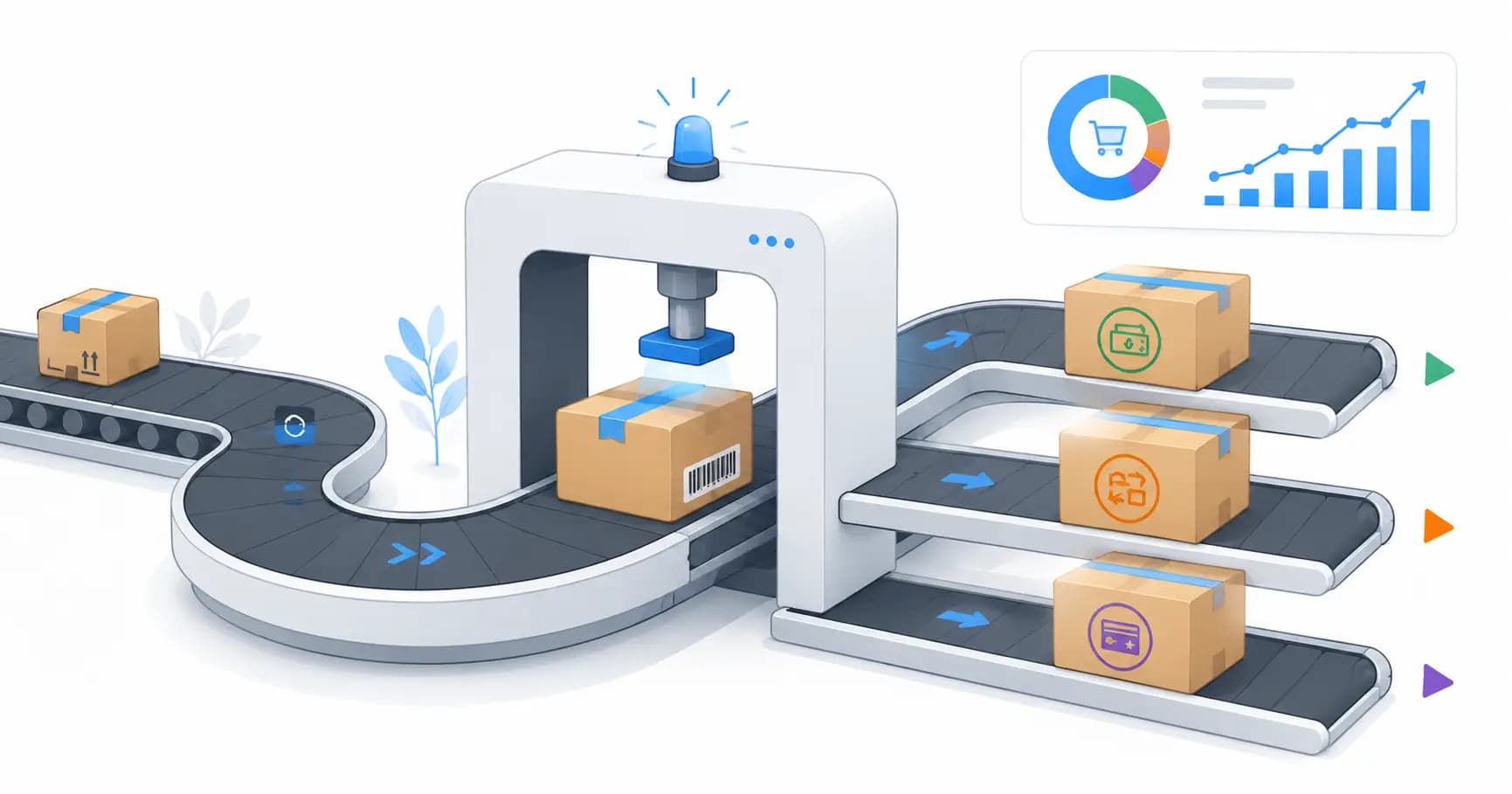
A monolithic platform (standard Shopify, traditional Magento) renders your storefront and runs your commerce logic in one system. Headless splits them: the commerce engine (catalog, cart, checkout, payments) becomes an API, and you build the frontend yourself, typically a Next.js or similar app, pulling product data from the engine and content from a CMS.
The split gives you three real capabilities:
- Frontend freedom. Your storefront is your code: any design, any interaction, any rendering strategy. Template constraints disappear.
- Performance ownership. Server rendering, edge caching, image pipelines, and Core Web Vitals are in your control, which matters because speed is measurably conversion and SEO.
- Multi-surface reuse. One commerce API feeds web, mobile apps, kiosks, and marketplaces without duplicating logic.
What it costs
Everything the monolith's theme layer gave you for free becomes your engineering:
- The frontend build itself: a serious storefront is months of work, and it never stops needing a team. Promotions, landing pages, and A/B tests that a merchandiser configured in the theme editor now flow through your CMS and component library, which you also build.
- The integration seams: search, reviews, personalization, analytics: each becomes an explicit integration instead of an app-store install.
- Preview and authoring workflow: marketing needs to see a page before publishing. Draft preview across CMS and commerce data is real engineering that teams forget to budget.
- Checkout decisions: keeping the platform's hosted checkout (safe, constrained) versus API-driven custom checkout (flexible, and you own PCI scope, fraud UX, and every payment edge case).
 Who should and should not
The honest sorting question is whether frontend differentiation is worth a permanent engineering line item.
| Profile | Verdict |
|---|---|
| Catalog-led store doing under ~$5M, standard buying flow | Stay monolithic. A good theme plus disciplined app choices wins on total cost. |
| Content-heavy brand where editorial drives purchase | Headless pays: the CMS-commerce split matches how the team already works. |
| Multi-region, multi-catalog, or web + app + retail surfaces | Headless pays: the API-first model removes duplication. |
| Luxury and high-consideration purchases with bespoke journeys | Usually headless, for reasons we cover in our luxury e-commerce guide. |
| Operationally complex sellers (B2B pricing, configurators, unusual fulfillment) | The constraint is usually the engine, not the head; consider the full build vs buy decision instead. |
The reference architecture
The stack we deploy most often: commerce engine (Shopify's Storefront API being the pragmatic default; the platform tradeoff itself is covered in Shopify Plus vs custom commerce), a headless CMS for content and merchandising blocks, and a Next.js storefront doing static rendering for catalog pages with revalidation on catalog webhooks, dynamic rendering for cart and account, and edge caching in front of everything.
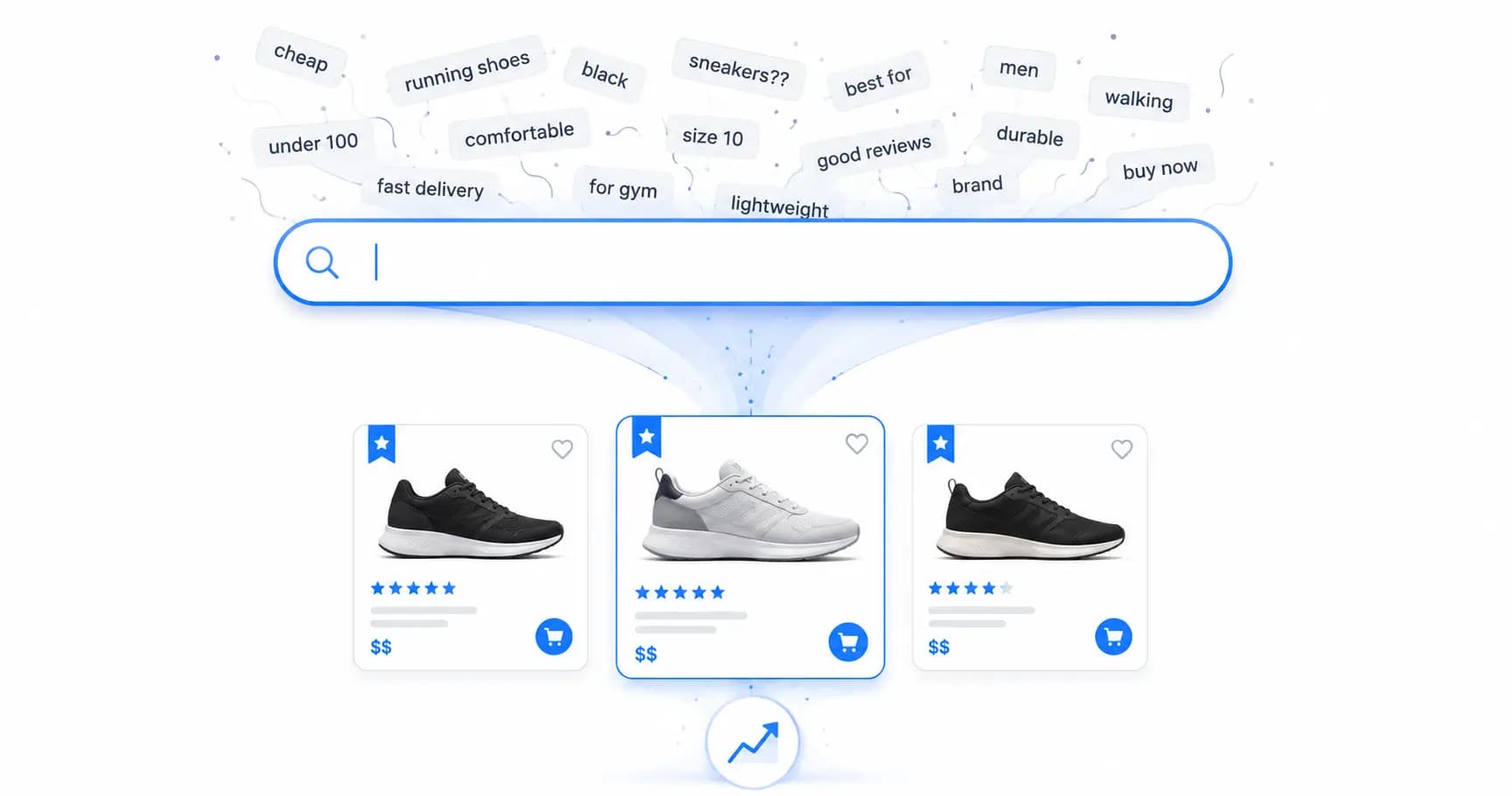
Two seams deserve explicit design. First, search and discovery: product listing pages should query a search index, not the commerce API, both for latency and for faceting quality, the engineering we detail in e-commerce search engineering. Second, cache invalidation: price and inventory changes must reach rendered pages within a known bound. Webhook-driven revalidation with a stale-while-revalidate policy is the pattern; "we rebuild nightly" is how customers screenshot wrong prices.
Migration without a big bang
Nobody should cut over a revenue-producing store in one release. The sequence that works: launch the headless frontend on content and landing pages first (the CMS half), then catalog browsing, then cart, keeping the platform's checkout throughout, and only then decide whether custom checkout earns its risk. Each phase ships value and can pause indefinitely, the same strangler logic we describe in our legacy modernization guide.
Headless is a commitment to owning your storefront as a product. Made for the right reasons it compounds; made for fashion it is an expensive theme. If you are weighing it, our e-commerce engineering team can look at your catalog, team, and roadmap and tell you which side of the table above you are on.
Written by

Founder & CEO
Gaurang Ghinaiya is the Founder & CEO of Nexios Technologies. He is passionate about building innovative software solutions that drive business growth. With years of experience in technology leadership, he guides teams toward excellence.